Foot Eczema vs Dry Feet: Causes & Treatment Options
June 04, 2026
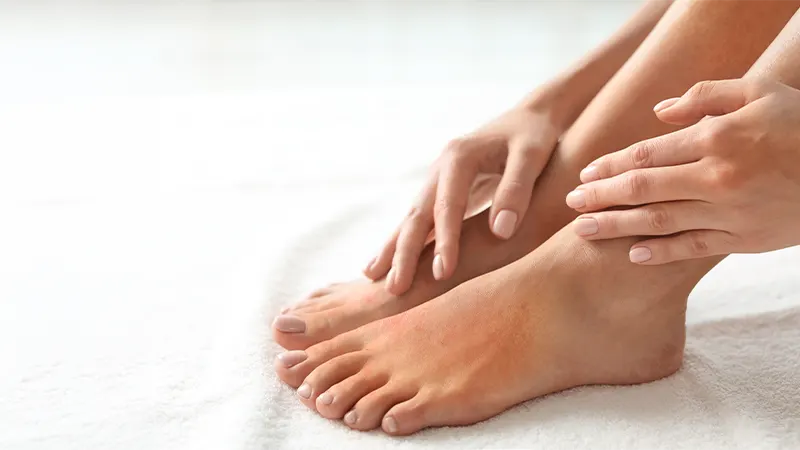
Have you tried lotions and switched soaps, yet nothing seems to cure your dry, itchy feet?
While dry, itchy skin is a common occurrence in Central Virginia, especially during the cooler, drier months, not all skin irritation is the same. Many people assume they're dealing with a common dry foot problem when it could actually be foot eczema, a condition that requires a different treatment approach.
Understanding the differences between foot eczema and occasional dry feet is the first step towards an effective treatment plan and lasting relief. At SynergyHealth Foot & Ankle, our team takes a personalized, whole-patient approach to care, helping you feel comfortable and confident on your feet again.
In this guide, you will learn about the differences between foot eczema and dry feet, the causes of each condition, and the top treatment options for managing symptoms from a whole-patient approach.
Why Your Feet Are More Prone to Dryness & Eczema
Many people underestimate the stress our feet endure each day. Yet, this is one of the primary reasons our feet are more prone to dryness.
Constant pressure and friction from walking, running, or jumping can accelerate the breakdown of the protective skin barrier. Since your feet have thicker skin and fewer oil glands, they are already at risk of natural dryness and have difficulty hydrating naturally. This issue is exacerbated when our shoes create a warm, moist environment, which leads to further irritation.
At SynergyHealth Foot & Ankle, our board-certified podiatrists take a careful diagnostic approach to examine all possible causes of your dry, itchy feet. The first step to developing a holistic treatment plan is distinguishing whether the underlying cause is eczema-related or general foot dryness.
Understanding Dry Skin on Feet: Causes & Symptoms
Dry skin, also known as xerosis, is a common condition that most people experience at some point in their lives, especially on the feet. Dry skin most commonly appears on the feet as light flaking or rough patches, small cracks along the heels, and sometimes mild itching.
- Cold or low-humidity environments
- Hot showers or baths
- Harsh soaps and skin products
- Walking barefoot frequently
- Ill-fitting shoes or shoe friction
Unlike foot eczema, foot dryness often improves with consistent moisturizing, avoiding triggers, and adjusting your daily routine.
Understanding Foot Eczema: Causes & Symptoms
While dry skin on the feet may show improvement with moisturizers alone, foot eczema usually does not. Foot eczema is a chronic inflammatory condition that goes beyond simple dryness and often requires targeted medical care to manage symptoms effectively.
According to the American Academy of Dermatology Association (AAD), there are several types of foot eczema. The three most common eczema conditions affecting the feet and ankles are atopic dermatitis, contact dermatitis, and dyshidrotic eczema. Understanding the different types and their triggers can help guide you towards an effective treatment plan that not only reduces flare-ups but also promotes long-term whole-body health.
At SynergyHealth Foot & Ankle, our primary podiatric care doctors take the time to evaluate contributing factors, including footwear, lifestyle habits, skin barrier health, and recurring triggers, to create a treatment plan tailored to your needs.
Atopic Dermatitis
Atopic dermatitis is perhaps the most common form of foot eczema. It is a chronic inflammatory condition linked to genetics, immune system sensitivity, and a weakened skin barrier.
- Persistent dryness and irritation
- Thickened or scaly skin
- Intense itching
- Cracking around the heels or ankles
Oftentimes, people with atopic dermatitis of the foot have a personal or family history of allergies, asthma, or seasonal allergies. Symptoms tend to worsen with stress, changes in weather, or irritation from footwear and sweat.
Contact Dermatitis
Contact dermatitis on the feet occurs when the skin reacts to something it comes into contact with. On the feet, this is especially triggered by shoe materials such as rubber, adhesives, dyes, leather treatments, and certain fabrics.
- Red or irritated skin where the trigger touches the foot
- Burning, itching, or tenderness
- Dry, cracked, or blistered areas
- Rash patterns that match straps, socks, or shoe contact points
This type of eczema can sometimes improve significantly once the trigger is identified and avoided. In persistent cases, patch testing may help determine which material or substance is causing the reaction.
Our team of podiatrists strives to provide every patient with top-quality care by taking a comprehensive approach. We work closely with other specialists, including allergists and dermatologists, to help treat the underlying cause from a whole-body perspective, rather than just the symptoms.
Dyshidrotic Eczema
Dyshidrotic eczema is a specific type of eczema that causes small, intensely itchy blisters on the soles, toes, or sides of the feet. The ADD notes that this form of eczema is often associated with excess sweating, prolonged moisture exposure inside shoes, stress, allergies, or sensitivities to metals such as nickel.
- Tiny fluid-filled blisters
- Burning or severe itching
- Peeling or scaling skin after blisters heal
- Painful cracking during flare-ups
Since dyshidrotic eczema can often resemble other foot conditions, it's important to have a medical professional diagnose and design a specific treatment plan tailored to your needs. Schedule an appointment with one of our leading podiatrists in the Midlothian area today to achieve lasting foot relief and improve your quality of life in the long term.
When to Seek Primary Podiatric Care at SynergyHealth Foot & Ankle
It's not always easy to tell the difference between dry feet and foot eczema based on symptoms alone. However, there are a few signs that can help distinguish between the two.
- Dry skin is usually mild, temporary, and improves with moisturizers.
- Foot eczema tends to persist in waves and is characterized by more pronounced inflammation and increased discomfort.
One of the biggest clues is how your skin responds to treatment. If your symptoms don't improve within a week or two of regular moisturizing, it may be something more than dry skin.
Getting the right diagnosis can help you return to daily activities faster and with minimal recurrence.
- Painful heel fissures
- Increased risk of skin infections
- Ongoing inflammation and discomfort
- Low self-confidence due to the appearance of cracked skin
SynergyHealth Foot & Ankle can help diagnose your issue early, before complications arise, and design a targeted treatment plan that's most effective for achieving the best possible outcomes. We recommend scheduling an appointment with one of our board-certified podiatrists if:
- Dryness lasts longer than one to two weeks
- Cracks become painful or begin to bleed
- Symptoms return frequently
- You notice signs of infection, such as redness, pain, or swelling
An early diagnosis can help save you from long-term discomfort and get you back on your feet, feeling your best faster.
Treatment Options for Dry Skin vs. Foot Eczema
Usually, mild foot dryness can be treated with simple, at-home methods. Whereas foot eczema most often requires consulting a medical professional for a more personalized approach to wellness.
Foot Dryness Treatment Options & Remedies
For mild dry skin, simple care can often make a big difference. In most cases, dry skin on the feet improves within a few days to a couple of weeks.
- Using a thick, fragrance-free moisturizer or ointment daily: Look for ingredients like ceramides, lactic acid, and urea. For the most effective moisturizing, apply immediately after bathing or showering while skin is slightly damp. Also, apply right before bed.
- Adjust footwear: Wear soft socks overnight to help lock in moisture. Choose supportive, well-fitting footwear and breathable materials to reduce friction and minimize irritation. Avoid walking barefoot on hard surfaces.
- Switch to gentle skin care habits: Use warm water instead of hot and choose mild, fragrance-free cleansers. Pat skin dry with a towel instead of rubbing.
If you find that consistent at-home treatment methods are ineffective, book an appointment with one of our doctors at SynergyHealth Foot & Ankle today to determine a specific treatment plan that best addresses your needs.
Effective Foot Eczema Treatment Options
Foot eczema treatment requires a more targeted approach than foot dryness because it addresses underlying issues beyond external factors. Our podiatrists focus on treatments that not only support a healthy immune response but also calm inflammation and eliminate triggers.
- Prescription anti-inflammatory treatments: topical corticosteroids or other prescription creams to reduce itching, swelling, and redness. Medicated moisturizers may also be prescribed to restore the skin's protective layer.
- Trigger identification & avoidance: Working alongside an allergist can help identify specific triggers or allergens. In some cases, patch testing may be recommended to pinpoint less obvious sensitivities.
- Managing Moisture and Sweat: Keeping your feet dry without over-drying the skin, rotating shoes to allow airflow, and using moisture-wicking socks are often suggested for ongoing home management.
- Advanced or Long-Term Management: Adjusting treatment based on flare patterns, combining therapies for better control, and coordinating care with other specialists (allergist, dermatologist, etc.) if other skin or health conditions are involved.
At SynergyHealth Foot & Ankle, treatment is never one-size-fits-all. We take time to understand your symptoms, triggers, and daily routine. Our team carefully creates a plan around your specific concerns that supports long-term skin and foot health rather than just short-term relief.
Foot Eczema vs. Dry Feet: At-Home Prevention Tips
While both foot eczema and dry feet can become chronic or recurring, there are a few simple lifestyle strategies that can help protect your skin for long-term podiatric health.
- Moisturize your feet regularly, even when symptoms start improving
- Choose breathable, supportive, well-fitting footwear
- Rotate shoes constantly to reduce excess moisture buildup
- Avoid known irritants whenever possible
- Address symptoms as they arise, before they worsen
- Follow podiatric care guidelines and your personalized treatment plan from SynergyHealth Foot & Ankle
Find Relief with Comprehensive Foot Eczema Treatment in Midlothian
At SynergyHealth Foot & Ankle, we believe effective care starts with listening to our patients.
Our team takes a whole-patient approach, looking beyond your symptoms to deeply understand the underlying cause. Once you schedule an initial appointment, we will review your medical history, discuss your symptoms, and order any necessary tests to accurately diagnose your foot condition. After we confirm your diagnosis, our podiatrists will create a personalized treatment plan tailored to your daily life and unique health needs.
Whether you're dealing with dry feet or foot eczema, our goal is to help you restore healthy podiatric function so you can move comfortably and confidently throughout the day.
If your dry, itchy feet aren't improving with simple at-home care, you may need to take a more targeted treatment regimen. Schedule an appointment with one of our experienced practitioners today and take the next steps towards healthier, more comfortable feet.